Water Extraction
Standing water pulled from tile, carpet and wood floors, day or night.
View service (623) 269-9046
Arizona air is dry, but water trapped under flooring, behind baseboards and inside cabinets does not dry on its own. Structural drying gets it out and proves it with readings.
Avondale Water Damage Help is a free referral service, not a restoration company. Calls are answered by independent local providers who set their own prices.
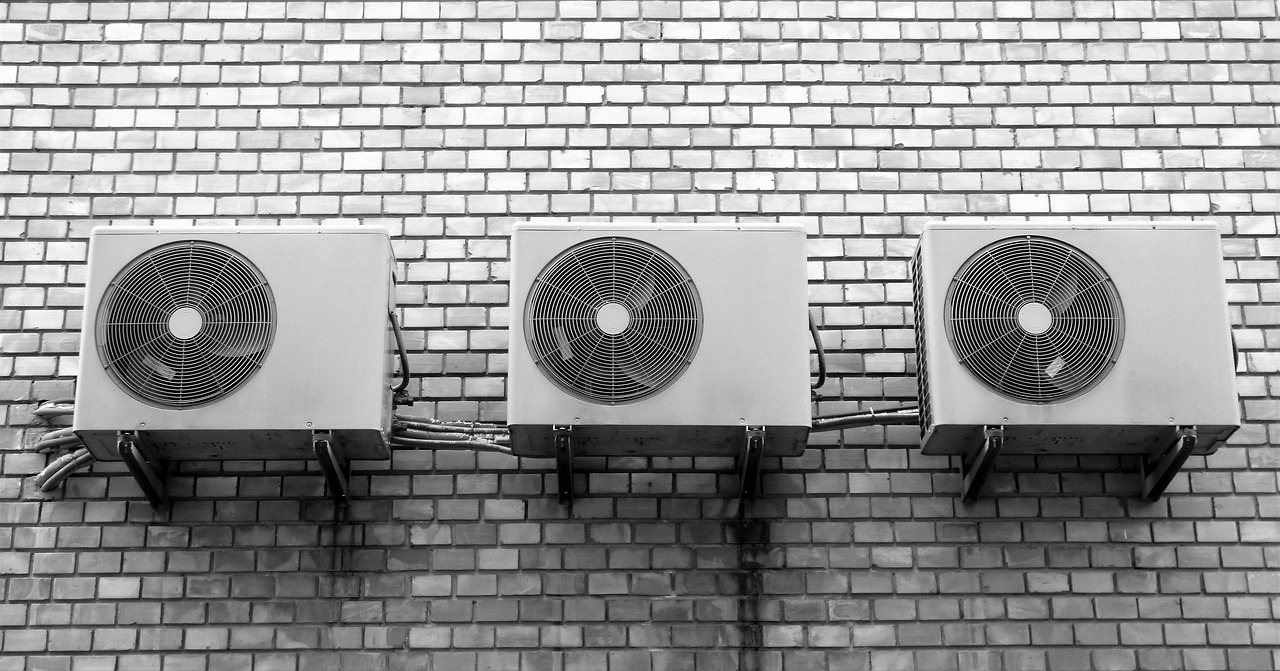
Structural drying in Avondale uses air movers and dehumidifiers to pull moisture from drywall, bottom plates, cabinets and the slab surface after water damage, with daily readings until wet areas match dry areas. Most clean-water jobs take three to four days here.
Air movers blow across wet surfaces to speed evaporation. Dehumidifiers pull water from the air. Wall cavities are dried through small holes near the floor or by removing baseboards. Cabinets are dried by removing toe kicks. On slab homes, the concrete surface is dried after flooring is lifted where needed.
A dry standard is set from unaffected materials in the house, and drying continues until wet areas match.
Find the edges of the wet area.
Set air movers and dehumidifiers.
Log readings daily at the same spots.
Remove equipment when readings match the dry standard.
Walls or floors above dry areas.
Smell days after the leak.
MDF still puffy.
Laminate or tile edges lifting.
Stains growing on drywall.
Warm spot on the floor and a high bill? Ask about a slab leak.Open 24/7 · Talk to a local provider in Avondale
Call 24/7 (623) 269-9046Tile over slab traps water underneath, grout releases it slowly, and laminate seals it in. Cabinets and built-ins hide water. In summer, the house is closed up with the AC running, which helps dry the air, but air movers still need to push it into wall cavities and under materials.
Ask for the daily moisture log or a photo of it each day. If you file a claim, it is the main proof drying was done properly.
Drying in place saves materials when the water was clean and caught early. It is not right for sewage, for materials already growing mold, or for laminate and particleboard that swell. The EPA mold guidance advises drying within 24 to 48 hours to prevent mold.
Water on the tile right now? Call (623) 269-9046 for a local provider.Open 24/7 · Talk to a local provider in Avondale
Call 24/7 (623) 269-9046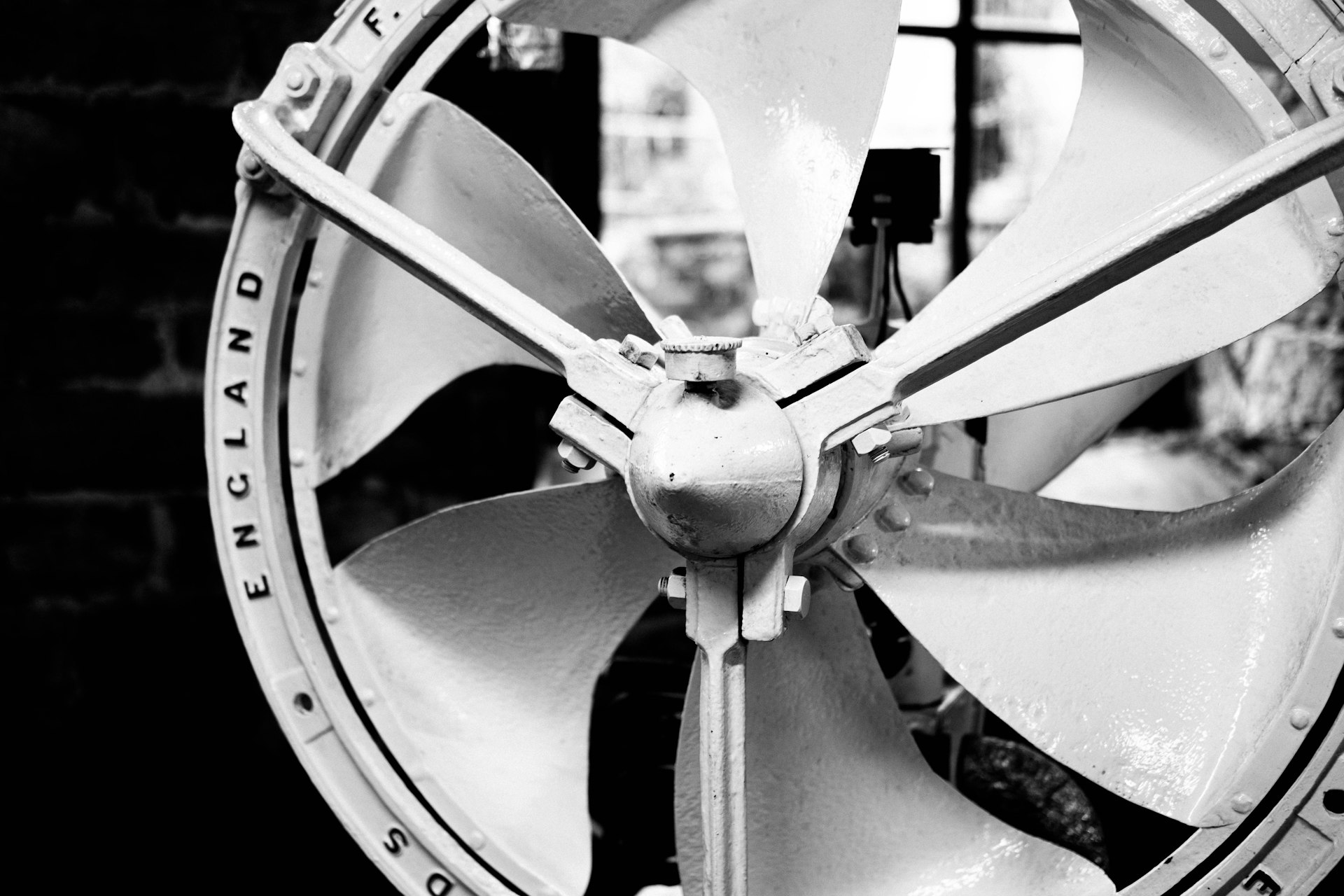
Dry readings on unaffected materials.
Why each unit is placed where it is.
Readings logged; equipment moved.
Equipment leaves only when readings say dry.
Ceiling dripping after a monsoon storm? Talk it through on the phone.Open 24/7 · Talk to a local provider in Avondale
Call 24/7 (623) 269-9046| Equipment | Job | Note |
|---|---|---|
| Air mover | Moves air across wet surfaces | Several per room |
| LGR dehumidifier | Pulls water from air | Main tool |
| Wall cavity drying | Air into walls | Saves drywall |
| Floor mats | Dry wood floors | Best started early |
| Heat drying | Raises surface temperature | Used carefully on dense materials |
| Factor | Why it matters | What to ask on the call |
|---|---|---|
| Area affected | Rooms and how far water spread under flooring | Which rooms are wet? |
| Water category | Clean, grey or sewage | Which category is this? |
| Materials removed | Baseboard, drywall, pad, cabinets | What can dry in place? |
| Drying days | Days of equipment | How will readings be shared? |
| Equipment count | Units needed | Why that many? |
Drying should start as soon as water is out. If water is still on the floor, begin with water extraction. Calls to (623) 269-9046 are answered 24 hours a day.
Warm spot on the floor and a high bill? Ask about a slab leak.Open 24/7 · Talk to a local provider in Avondale
Call 24/7 (623) 269-9046A fan and the AC are not structural drying. They dry surfaces while wall bottoms and the space under flooring stay wet, which is how mold starts behind baseboards.
Before structural drying work in Avondale, ask for the company's Arizona Registrar of Contractors license number and check it with the Arizona ROC license lookup. Plumbing repairs need an ROC-licensed plumbing contractor. Ask whether the technicians hold IICRC certification, and ask for proof of liability insurance before anyone starts.
Drying sits in the middle of water damage restoration in Avondale, after extraction and before repairs. It decides whether baseboards, drywall, cabinets and floors can be saved.
Water on the tile right now? Call (623) 269-9046 for a local provider.Open 24/7 · Talk to a local provider in Avondale
Call 24/7 (623) 269-9046Pin meters measure moisture at a point in wood and drywall. Pinless meters scan an area. A thermal camera shows cooler, wet areas. A good provider uses all three and shows you the numbers falling each day.
In summer, closed houses with the AC running help keep indoor air dry. Equipment adds heat, so providers balance thermostat settings to keep the house livable while drying stays fast.
Most families stay home during drying. Units are loud and warm and add to the power bill, which some insurers reimburse. Ask where units can go to keep a bedroom quiet.
Ceiling dripping after a monsoon storm? Talk it through on the phone.Open 24/7 · Talk to a local provider in Avondale
Call 24/7 (623) 269-9046Before equipment leaves, ask for the final log and walk the area together. If a smell returns, call back.
On slab homes, the bottom of the wall is where water collects. Removing baseboards exposes the bottom of the drywall and lets air reach the wall cavity. Sometimes the bottom inch or two of drywall is cut away. This lets the bottom plate dry quickly and avoids replacing whole walls. New baseboard covers the cut once drying is done.
Water runs under kitchen and bathroom cabinets where you cannot see it. Removing the toe kick or drilling small holes in the cabinet bottom lets air reach the space. This often saves cabinets that would otherwise be torn out. Built-in entertainment centers and closets get the same treatment.
Warm spot on the floor and a high bill? Ask about a slab leak.Open 24/7 · Talk to a local provider in Avondale
Call 24/7 (623) 269-9046Ask how many days the provider expects, how they set the dry standard, whether they will dry under cabinets and behind baseboards, and how they will share daily readings. Clear answers on day one make the rest of the job easy to follow and to explain to your insurer.
The daily moisture log, photos of the equipment in place and the final readings are the proof drying was done. Ask the provider to include them with the invoice.
Drying equipment draws steady power. Crews spread units across circuits so breakers do not trip and keep cords out of walkways. Keep children and pets away from cords and air movers.
Water on the tile right now? Call (623) 269-9046 for a local provider.Open 24/7 · Talk to a local provider in Avondale
Call 24/7 (623) 269-9046Solid hardwood can often be dried in place using mats that pull moisture up through the boards if work starts early. Engineered wood may delaminate, and laminate swells and is usually replaced. Ask what to expect before equipment is set.
Fans move moisture into the air, but if that moist air stays in the room it settles back into walls and floors. Dehumidifiers take the water out of the air and send it down a drain, which is why every setup pairs both.
A damp smell in the first day or two is normal as moisture leaves materials. A smell that grows stronger or turns sour can mean contamination or mold. Tell the provider so they can check.
Ceiling dripping after a monsoon storm? Talk it through on the phone.Open 24/7 · Talk to a local provider in Avondale
Call 24/7 (623) 269-9046Most families stay home during drying. Units are loud and warm and add to the power bill, which some insurers reimburse. Ask where units can go to keep a bedroom quiet and how many days they expect.
Before equipment leaves, ask for the final log and walk the area together. If a smell or a soft spot appears in the weeks after, call back for a recheck; finding a missed wet spot early is far cheaper than finding mold later.
Drywall over a wet bottom plate dries slowly because air cannot reach the wood. Small holes near the floor behind the baseboard, or removing the bottom strip of drywall, let air move through the cavity. This is far cheaper than replacing a whole wall later. A good provider explains why each opening is made, keeps them small and hidden behind baseboards when possible, and shows readings that prove the cavity dried before the drywall is patched and painted. Ask to see those readings before any wall is closed up.
Warm spot on the floor and a high bill? Ask about a slab leak.Open 24/7 · Talk to a local provider in Avondale
Call 24/7 (623) 269-9046Ask the provider which days they will visit to take readings, so someone can be home to let them in and see the numbers.
Often three to four days for clean water caught early; longer under tile or with cabinets.
Yes, but wall cavities and the space under flooring still need moving air and dehumidifiers.
Please do not; drying works around the clock.
Small holes near the floor let air into wet wall cavities.
Standing water pulled from tile, carpet and wood floors, day or night.
A leak under the concrete slab found, the water damage dried and the floors put back.

Water through the roof or ceiling after a summer storm, dried and repaired.

Overflowing AC drain pans and failed water heaters cleaned up and dried.
Mold after a hidden leak contained, removed and the cause fixed.
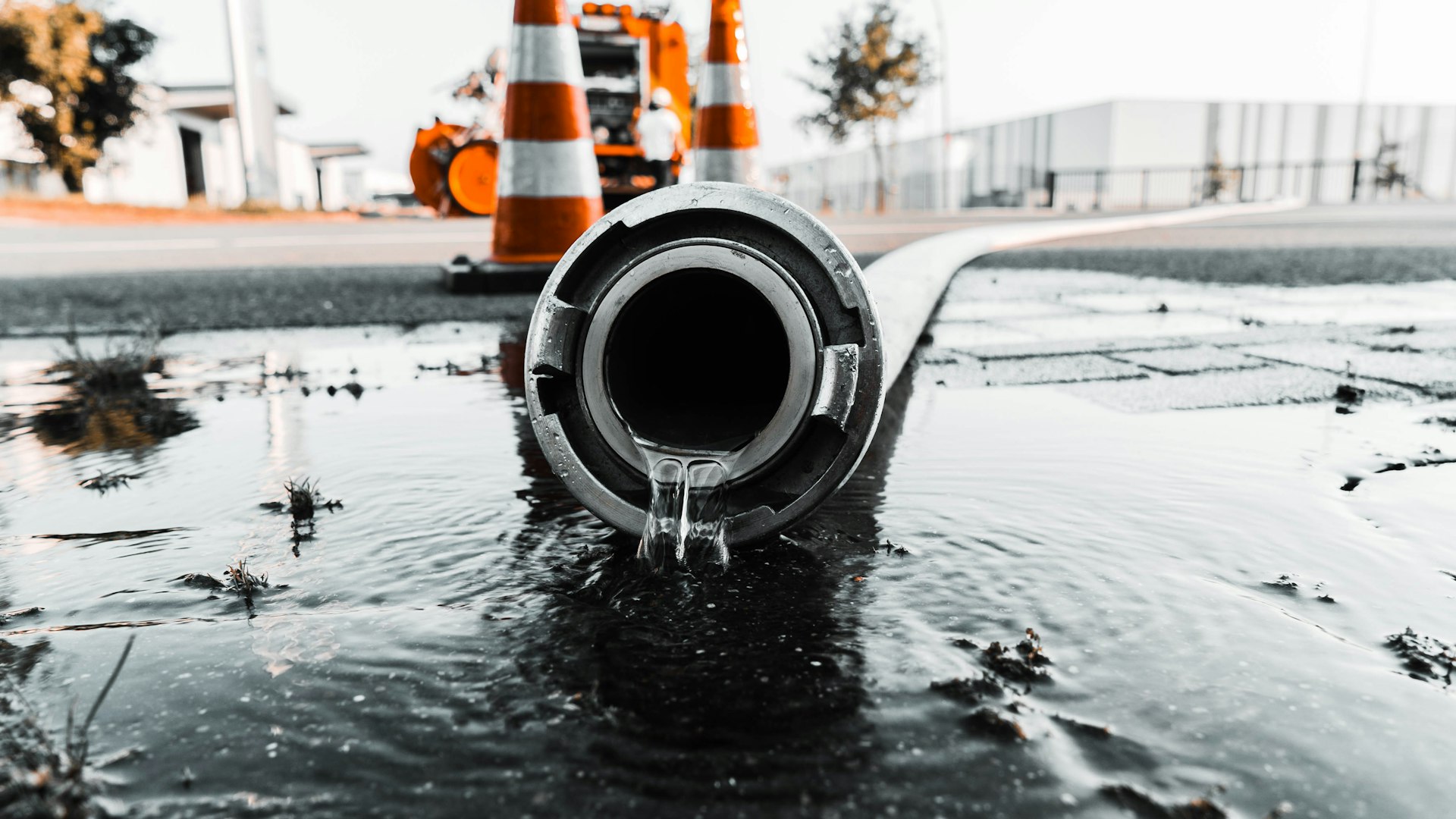
Dirty water from a drain or toilet removed, the area sanitized and dried.
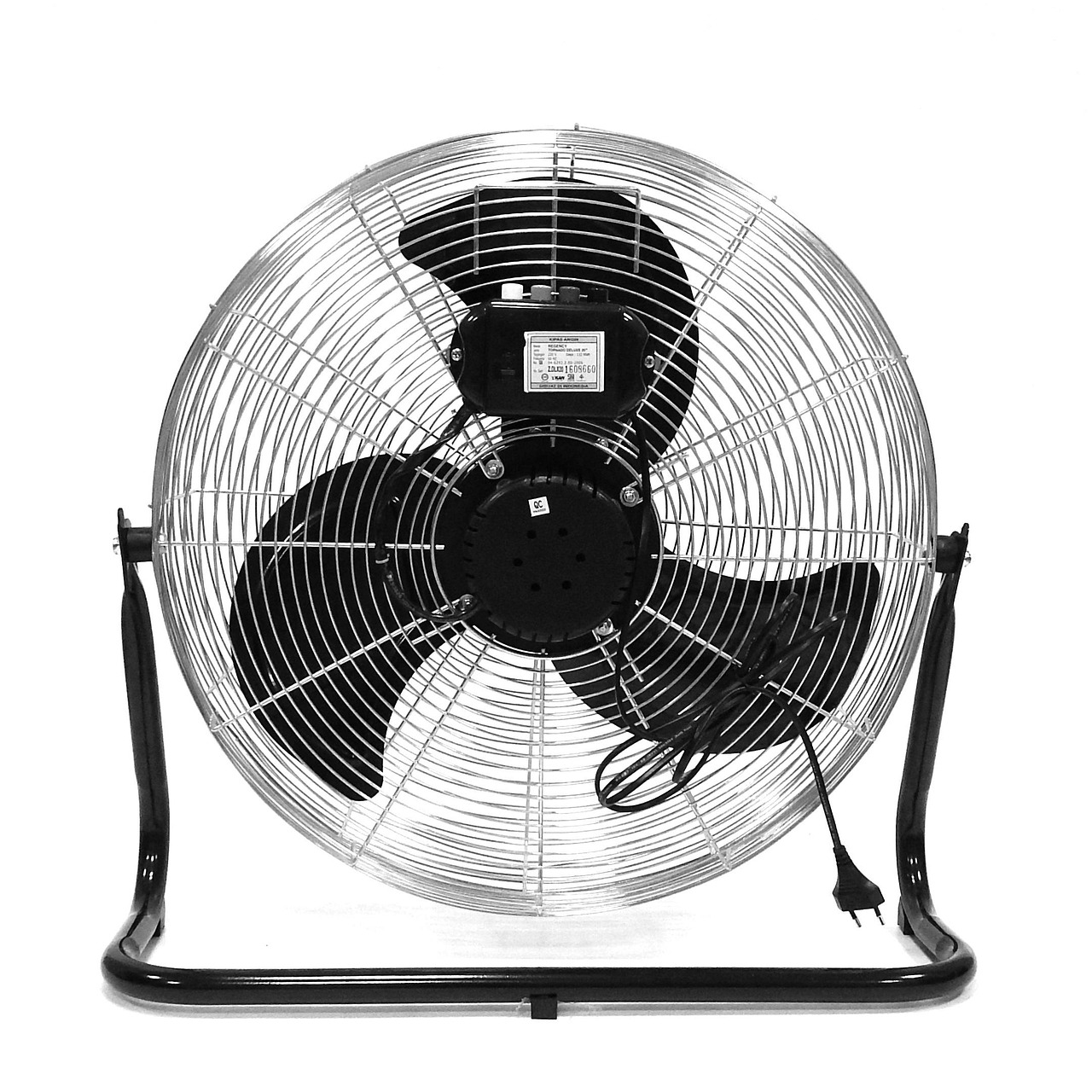
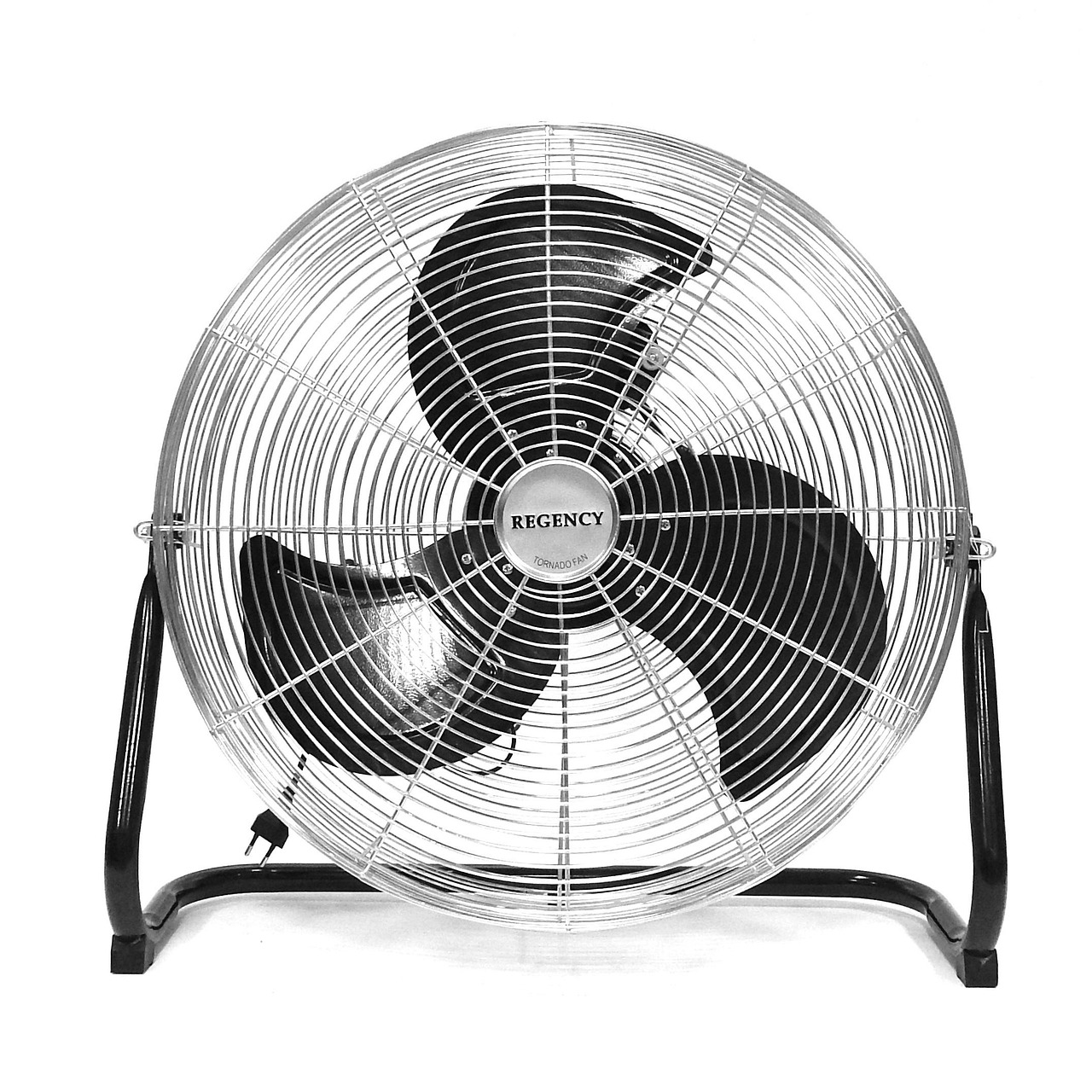
Representative photos of the kind of work local providers handle.
Talk to a local provider
One call connects you with an independent restoration company that works in Avondale. They explain the plan and how the price is set before anything starts.
(623) 269-9046